CBD, short for cannabidiol, is a naturally occurring compound found in the hemp plant. It is one of more than 100 cannabinoids in cannabis, and unlike THC it is non-intoxicating, so it will not produce a “high.” Most people take it as CBD oil, but it also comes as gummies, softgels, and topicals.
That short answer covers the basics, but there is more worth understanding before you buy. Below we break down what CBD oil actually is, how it differs from THC, whether it is legal, what to expect from a drug test, the main product types, and how to choose a quality product.
What is CBD oil?
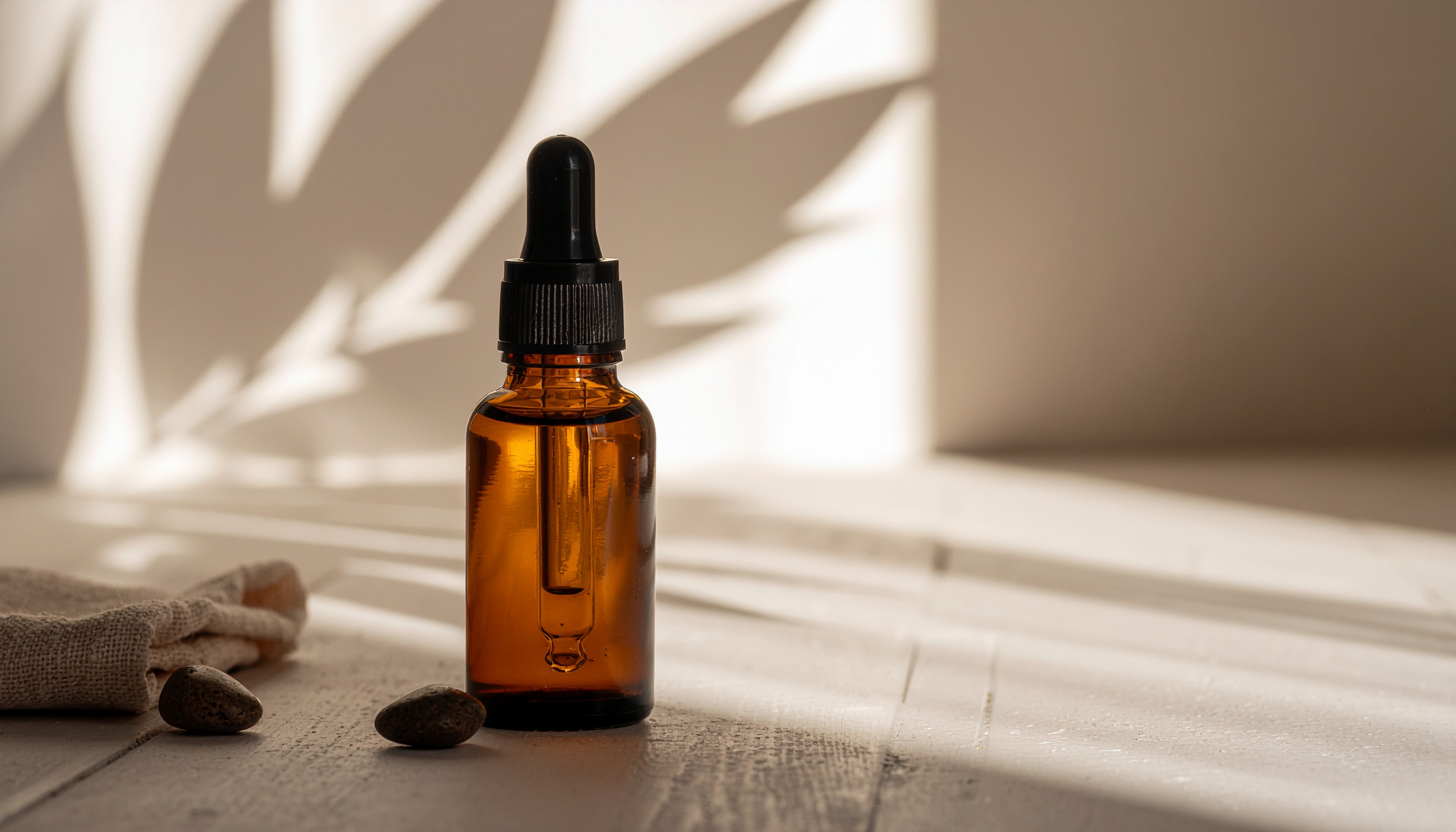
CBD oil is hemp extract that has been blended with a carrier oil so it is easy to measure and pleasant to take. Most CBD oil on the market is made from industrial hemp. Once the extract is removed from the plant, it is mixed with a carrier oil such as MCT, hemp seed, or grapeseed oil to dilute it and prepare it for everyday use.
Because it is simple to use and non-intoxicating, CBD oil has become one of the most popular ways people add hemp to a daily wellness routine, and our Hemp Extract Tincture is a popular place to start. You place a serving under the tongue with the dropper, hold it briefly, and swallow.
What is CBD made from? Hemp vs. marijuana
CBD is made from the hemp plant. Hemp and marijuana are both varieties of the same plant family, Cannabis sativa, and the difference that matters for CBD is how much THC each one produces.
By federal definition, hemp is cannabis containing 0.3% THC or less. Marijuana contains far more THC, which is the compound responsible for intoxication. CBD can be extracted from either plant, but the CBD sold legally across the United States comes from hemp because of that low THC threshold. At Made By Hemp, every product starts with hemp, never marijuana.
To make CBD oil, the cannabinoid-rich extract is removed from the hemp plant, often using CO2 extraction, a method that pulls the extract without leaving chemical solvents behind. That extract is then blended with a carrier oil to create the CBD oil you find on the shelf.
CBD vs. THC: what is the difference?
CBD and THC are the two most abundant cannabinoids in cannabis. They share a similar chemical makeup but affect the body very differently. The key difference is intoxication: THC produces the “high” associated with marijuana, while CBD does not.
Both interact with the body’s endocannabinoid system, but in different ways, which is why their effects are not the same. Some people who use full-spectrum hemp products also appreciate that the small, legal amount of THC works alongside CBD rather than producing a noticeable high.
How CBD works: the endocannabinoid system
The endocannabinoid system, or ECS, is a network of receptors found throughout the body that helps regulate everyday balance. The two main receptors are CB1 and CB2. CB1 receptors are concentrated in the brain and nervous system, while CB2 receptors are found largely in the immune system and throughout the body.
Cannabinoids like CBD interact with this system. Unlike THC, CBD does not bind directly to these receptors; it works with the system in a different way, which is an active area of ongoing research. Hemp has become a popular part of many daily wellness routines, and researchers around the world continue to study how cannabinoids interact with the ECS.
Is CBD legal?
Hemp-derived CBD is federally legal in the United States under the 2018 Farm Bill, which removed hemp containing 0.3% THC or less from the definition of a controlled substance. CBD derived from marijuana is treated differently and is not federally legal.
State laws still vary. Some states have added their own rules about how hemp products can be sold, labeled, or used as ingredients, and those rules continue to evolve. Before you buy, it is worth checking the current laws where you live. You can read more on our CBD and hemp law overview.
Will CBD make me fail a drug test?
Drug tests typically screen for THC, not CBD. Because hemp-derived products contain only trace amounts of THC, the likelihood of a standard test flagging them is low, but it is not zero. Factors like how much you take, how often, and your individual body chemistry can all play a role.
If you are subject to regular or strict testing, such as in the military, transportation, or certain manufacturing roles, the safest choice is a THC-free product made from CBD isolate, which is formulated without THC and verified by third-party lab testing. When in doubt, use your best judgment and talk with your employer about their policy.
Full-spectrum, broad-spectrum, and CBD isolate
You will see CBD products labeled one of three ways. Full-spectrum products contain CBD along with the full range of cannabinoids, terpenes, and the trace THC naturally found in hemp. Broad-spectrum products contain multiple cannabinoids but are processed to remove THC. CBD isolate is pure CBD with all other plant compounds removed.
Types of CBD products
CBD comes in several forms, and the one you choose affects how you take it and how quickly you feel it. You can browse all our CBD products, or read on to compare the most common types.
CBD oil and tinctures
Tinctures are the most popular form of CBD. They are hemp extract blended with a carrier oil and taken by placing a few drops under the tongue with a dropper. They make it easy to adjust your serving up or down.
Softgels
CBD softgels are swallowed with water, just like any other softgel. They offer a convenient, pre-measured serving, so there is nothing to measure out.
Edibles and gummies
Edibles are a familiar and enjoyable way to take hemp. CBD gummies are the most popular edible, but the category also includes other treats. Always check the serving size on the label before eating.
Concentrates
Concentrates are a more potent form, taken much like a tincture by placing a small amount under the tongue. Because they are concentrated, a little goes a long way, so start with a small serving.
Topicals
Topical CBD comes as lotions, balms, salves, and creams that you apply directly to the skin. They are often blended with ingredients like vitamin E, aloe, eucalyptus, and botanical oils. Because they are applied directly to where you want them, topicals are a popular pick for a targeted routine. The skin has its own endocannabinoid receptors, which is part of why hemp topicals have grown in popularity.
How to choose a quality CBD product
The CBD market is crowded, and product quality varies widely. A few things separate a trustworthy product from the rest:
- Third-party lab testing. Reputable brands publish a Certificate of Analysis (COA) for each product so you can verify the cannabinoid content and confirm it is free of contaminants.
- Clear sourcing. Look for products made from quality hemp with transparency about where it comes from.
- Honest labeling. The label should state how much CBD is in the product and the serving size.
- A real track record. Made By Hemp has been selling hemp products since 2013, long before CBD was a household name.
At Made By Hemp, every product page links to its third-party lab results, so you can confirm exactly what is in what you buy before you ever place an order.
CBD for dogs and pets
Dogs and many other animals have an endocannabinoid system too, which is why hemp products formulated for pets have become popular. Pet CBD is typically measured by body weight, and formulas are made specifically for animals.
Always talk with your veterinarian before giving your dog CBD or any new supplement, especially if your pet is already on medication. Start low, watch how your dog responds, and adjust the serving as your vet advises.
Frequently asked questions
What does CBD stand for?
CBD stands for cannabidiol. You can read a fuller explanation on our what does CBD stand for page.
Will CBD get me high?
No. CBD is non-intoxicating. Hemp-derived CBD contains only trace THC and will not produce the high associated with marijuana.
How much CBD should I take?
There is no one-size-fits-all serving. Most people start with the serving size listed on the label and adjust from there based on their own experience. If you take medication or have health concerns, talk with your doctor first.
Is CBD addictive?
CBD is not considered addictive. It is non-intoxicating and is not associated with the kind of dependence linked to THC or other substances.
Getting started with CBD
CBD has moved from a niche curiosity to a mainstream part of many people’s wellness routines, and the science continues to grow. Whether you are brand new to hemp or just filling in the gaps, the most important steps are choosing a quality, lab-tested product and starting with a sensible serving.
Have questions about getting started? Call us at 844-887-4367 (HEMP) or reach out through our contact page. Every Made By Hemp order is backed by our 30-day money-back guarantee.
About the author
Jeff Gallagher founded Made By Hemp in 2013, years before CBD became a household name. He has spent more than a decade helping customers understand hemp and choose quality, lab-tested products they can trust.